























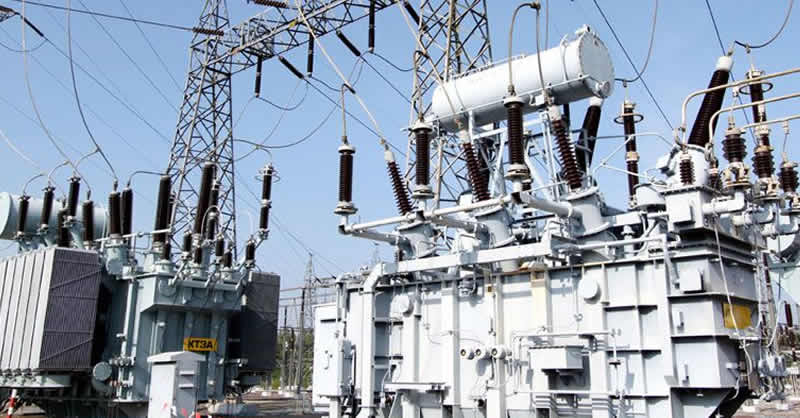
Nigeria’s national electricity grid collapsed on Friday, January 23, marking the first such incident this year and triggering a widespread blackout across the country.
National-power-grid
The Nigerian Independent System Operator (NISO) reported that power generation plummeted to zero megawatts (MW), with load allocation to all 11 electricity distribution companies (DisCos) dropping to zero MW by 1:00 p.m. The affected DisCos include Abuja, Benin, Eko, Enugu, Ikeja, Ibadan, Jos, Kaduna, Kano, Port Harcourt and Yola, leaving households, businesses and essential services without supply.
NISO data indicated the disturbance began around 12:40 p.m., caused by the multiple tripping of 330kV transmission lines and the sudden disconnection of several grid-connected generating plants. Earlier that day, the grid had transmitted over 4,000MW, highlighting the abrupt nature of the failure.
Restoration efforts commenced at 1:15 p.m., with power supply gradually returning to key locations including Abuja, Osogbo, Benin, Onitsha, Sakete, Jebba, Kainji, Shiroro and parts of Lagos. The Transmission Company of Nigeria (TCN) and NISO are working to stabilise the system, while a thorough investigation into the root causes is underway.
This collapse follows multiple grid failures in 2025, the last occurring on December 29, despite ongoing infrastructure upgrades aimed at enhancing stability. Industry analysts point to persistent issues in the transmission network as a major vulnerability, even as generation capacity has seen improvements.
The incident has disrupted economic activities nationwide, forcing businesses to rely on costly generators amid high fuel prices and renewing public frustration over unreliable power supply. DisCos described the event as a “system disturbance” and appealed for customer understanding during recovery.
NAN gathered that power sector stakeholders are under pressure to implement sustainable measures, including grid redundancy and maintenance, to prevent recurrences. As of Saturday, partial restoration continues, but full recovery timelines remain unclear.