



























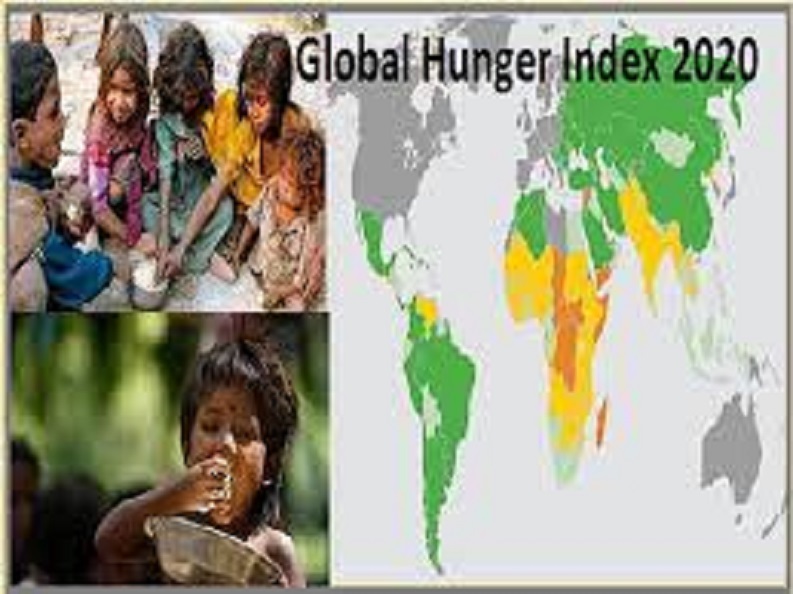
About 35 million Nigerians face acute hunger risks in 2026, including three million children battling severe malnutrition, the United Nations has warned, attributing the crisis to collapsing global aid budgets and escalating violence in the northeast.
UN Resident and Humanitarian Coordinator Mohamed Malick Fall disclosed this on Thursday during the launch of the 2026 humanitarian plan in Abuja, noting that the traditional foreign-led aid model proves unsustainable amid Nigeria’s escalating needs.
He highlighted dire conditions in Borno, Adamawa and Yobe states, where over 4,000 people perished in the first eight months of 2025 from surging suicide bombings and attacks—equalling the entire previous year’s toll.
The UN now targets $516 million to deliver lifesaving aid to 2.5 million people this year, a sharp drop from 3.6 million in 2025 and half of prior levels, forcing prioritisation of only the most critical interventions.
Fall stressed, “These are not statistics. These numbers represent lives, futures and Nigerians,” as shortfalls last year compelled the World Food Programme to halt support for over 300,000 children after resources dried up in December.
Yet, Fall acknowledged Nigeria’s increasing national ownership, including local funding for lean-season food assistance and proactive flood early-warning systems, signalling a shift toward self-reliant crisis response.