



























Across the world, Virtual Reality (VR) is proving to be far more than a gaming technology. In healthcare, it is emerging as a practical solution to train professionals, improve patient care, and speed up medical innovation. For Nigeria — where health facilities face workforce shortages, infrastructure gaps, and tight budgets — VR offers a unique chance to leapfrog into modern practices without the prohibitive cost of traditional methods.
Training Without Risk, Learning Without Limits
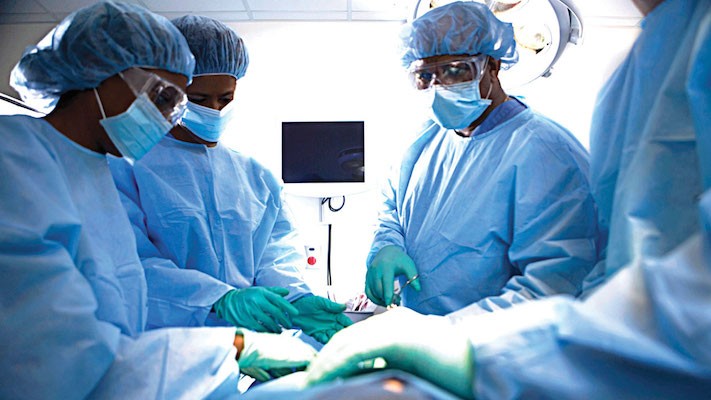
One of the biggest hurdles in healthcare is preparing professionals for real-life emergencies. Nursing students can read about procedures in textbooks, but they need hands-on experience to master them. VR bridges this gap by simulating real hospital scenarios: inserting an IV line, performing CPR, or managing a trauma patient — all in a safe, repeatable virtual environment.
Emergency response teams can also rehearse disaster situations, from mass-casualty events to fire outbreaks, without risking lives or resources. Instead of waiting for rare live drills, responders can practice repeatedly in lifelike VR settings until every step becomes second nature.
Across Nigeria, a new wave of innovators, like Insightful3d Studio, is developing these immersive training programs locally. By building high-quality VR modules tailored for Nigerian hospitals, universities, and teaching centers, they reduce dependence on expensive foreign programs and make advanced training more affordable.
Improving Patient Understanding and Confidence
VR isn’t just for training staff. Patients can also benefit. For example, a woman preparing for childbirth can take a guided virtual tour of a delivery room to reduce anxiety. A family deciding on surgery can visualize what the procedure involves and better understand the risks and benefits. When people clearly see what to expect, trust in medical care increases — and so do positive outcomes.
A Platform for Local Innovation
VR also allows medical teams in Lagos or Abuja to collaborate seamlessly with specialists abroad. They can jointly review virtual models of medical cases, discuss treatment options, and learn new techniques in real time. For research institutions and pharmaceutical companies, VR provides an interactive environment to test ideas faster and with fewer physical resources.
Nigeria’s Window of Opportunity
Globally, VR in healthcare is growing rapidly — projected to become a multi-billion-dollar industry this decade. Nigeria does not need to be a latecomer. With forward-thinking hospitals, training schools, and government support, the country can develop home-grown solutions instead of importing them at high cost.
Companies like Insightful3d Studio are proving that this is not futuristic wishful thinking — it is already happening. The real question is not whether VR belongs in Nigerian healthcare, but how quickly hospitals, regulators, and investors will adopt it. Early movers will improve patient outcomes, cut training costs, and set a new standard for African healthcare.