





























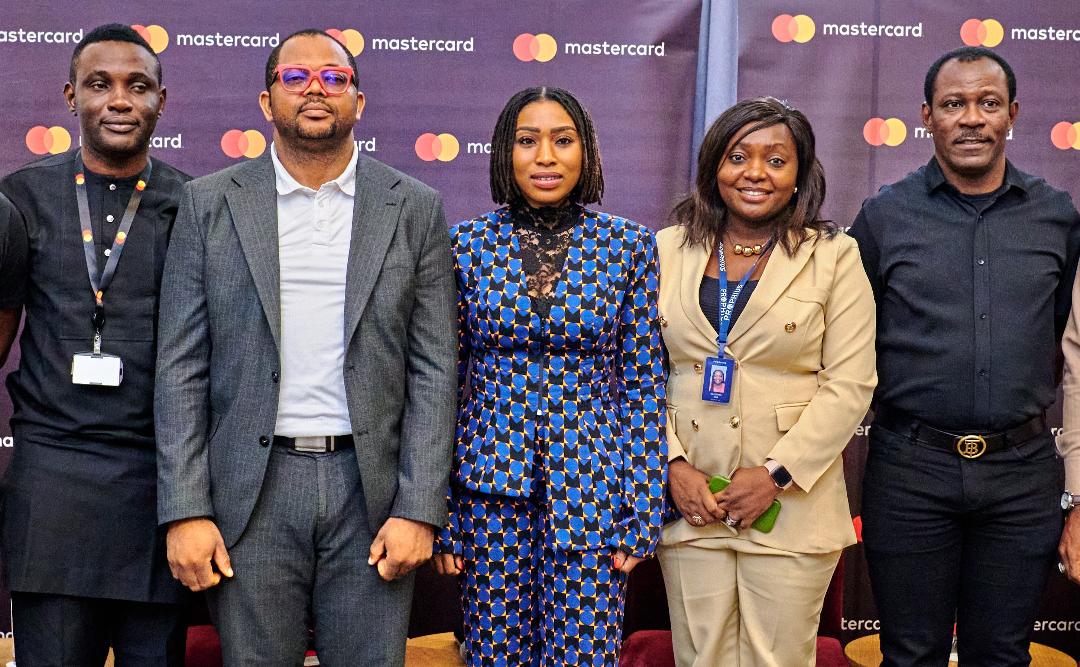
Mastercard leads the charge in transforming Nigeria’s payment landscape as it unveils its contactless payment solutions.
The solution will empower businesses to accept card payments easily and cost effectively, using “tap on phone”, “QR Pay by link” and “Payment link” on their smart phones.
The Central Bank of Nigeria (CBN), recognizing the booming growth of the Nigerian payment market, has taken a significant step in shaping the future of payments by introducing the Framework for Quick Response (QR) Code Payment in January 2021.
This was followed by the release of the Exposure Draft of the CBN Guidelines for Contactless Payment in Nigeria in October 2022. The guidelines define contactless payment as “the consummation of financial transactions without physical contact between payer and the acquiring device(s),” enabling secure payments using Near Field Communication (NFC), Radio Frequency, or QR Codes.
With approximately 40 million small businesses in Nigeria, contactless payment options will make it easier for Small and Medium Enterprises (SMEs) to accept payments, thereby boosting growth. Traditional payment acceptance terminals can be too expensive for SMEs.
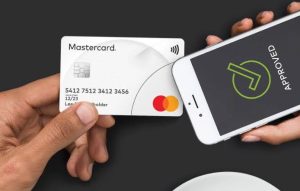
Mastercard’s contactless options will dramatically reduce the cost of payment acceptance devices, making it financially feasible for SMEs to adopt this technology.
This means that even small businesses can use their low-cost smartphones to accept payments safely and easily, by utilising QR codes, Payment Links, and Contactless payments, all pre-equipped with Mastercard’s secure payment acceptance technology.
“As we navigate the evolving landscape of payments in Nigeria, Mastercard is proud to launch its contactless payment solutions. We understand the importance of seamless, secure, and cost-effective digital payment solutions, particularly for small businesses and consumers.
“We are determined to support and accelerate the adoption of innovative payment methods, ultimately fostering financial inclusion and economic growth in Nigeria.
“We’re committed to making a digitally inclusive future a reality for all.” said Kari Tukur, the Vice-President of Customer Solutions, East and West Africa at Mastercard.
For businesses, QR code payments represent a compelling way to process payments without having to invest in extra hardware – customers can simply set up QR code payments on their smartphone and they’re ready to go.
Contactless payments make the checkout experience faster and more convenient for all parties involved. With a contactless payment system in place, customers can skip the step of paying by cash or swiping their card and inputting the PIN. They can simply tap the card against the terminal, in this case their mobile phone, making for smoother transactions.

The NFC (Near Field Communication) technology that is built into contactless cards ensures seamless payment processing. Contactless payments also save a lot of time for business owners by decreasing transaction times and making it easier to invest that time in other business-related duties like inventory management.
This technology provides several benefits to consumers, including convenience, speed, security, and accessibility. Transactions are processed swiftly, reducing waiting times, while providing a secure payment method that minimizes the risks associated with cash payments.
This development underscores Mastercard’s commitment to connect 1 billion individuals and 50 million micro and small merchants to the digital economy by 2025.